


Fungal infections can become a real disaster bringing many inconveniences, mainly cosmetic.However, as always, there is a way out - modern pharmaceuticals offer a large number of antifungal drugs.
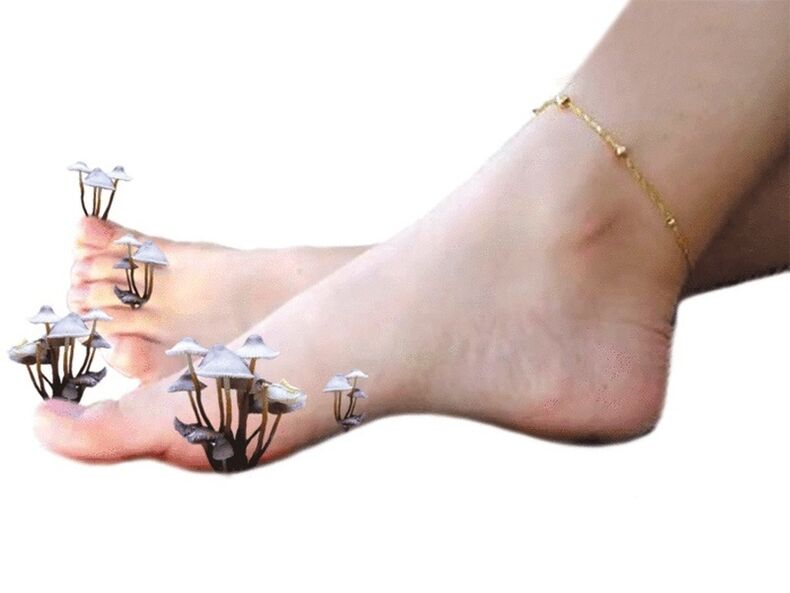
Thrush is an extremely unpleasant disease that can affect both adults and children of all ages.Let's find out what means will help fight it.
What's best for toenail fungus?
Nowadays, fungal diseases are very common.Almost 4 out of 4 people have this disease and many times they don't even know it.
As a rule, fungal infections do not cause serious harm to human health, but in severe forms, the body is poisoned with toxic substances.
This can weaken the immune system and lead to other negative consequences.
Foot fungus is quite common.In addition, nails and skin have an unsightly appearance, and treatment requires a lot of time, effort and money.But in no case should the disease be allowed to spread, otherwise it will spread to other parts of the body.
The doctor should determine the course of treatment, because to eliminate the fungus it is necessary:
- Identify the type of pathogen
- area and extent of damage to fingernails and feet
- skin condition
Modern pharmacology offers a variety of means to combat foot fungus.A course of treatment is usually prescribed, which includes:
- Use antifungal medication
- Use topical medication
- Antibiotics if there is a bacterial infection
In the early stages of the disease, folk remedies can help you:
- celandine
- garlic
- iodine
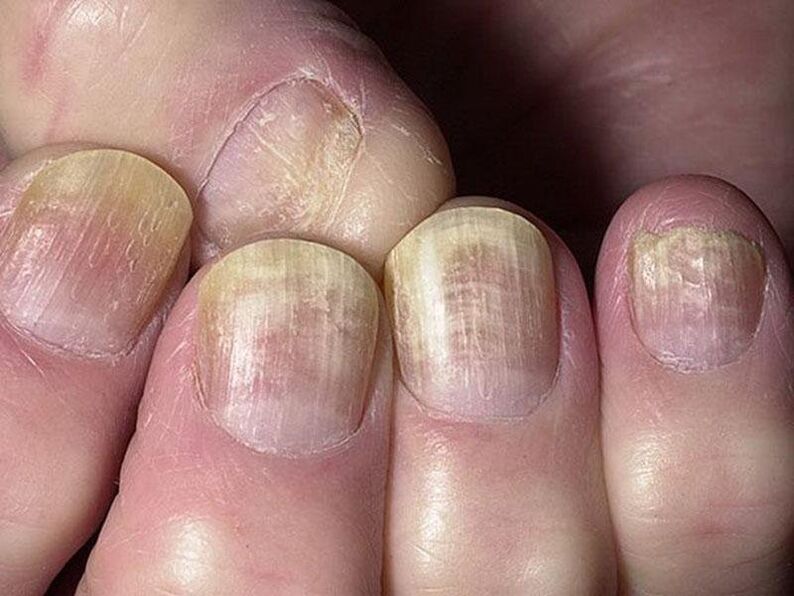
In mild infections, the following are more often recommended:
- ointment
- suspend
- cream
- varnish
- drop
After 10-14 days of treatment, the agent must be changed because the fungus tends to develop resistance to the drug.
In advanced forms of the disease, your doctor may prescribe antifungal medications.
In some cases, the nail plate or part of it must be removed by conservative or surgical methods.
The best treatment is a comprehensive approach, including the simultaneous use of tablets and topical medications.But it is not necessary to self-medicate.If you discover signs of fungus on your nails, consult your doctor immediately.
Medicine to treat nail fungus
Our hands in some cases can be susceptible to fungal infections.Infection occurs gradually:
- palms begin to itch
- a small rash appears
- lesions spread to the nails in the form of spots
- Nail fold inflammation may occur
Treatment is prescribed after identifying the pathogen and its sensitivity to the drug.Antifungal medications can be:
General action (systemic) - indicated for moderate and severe stages of the disease and is prescribed only by a doctor:
- azole.
- allylamine amines.
- polyene.
Local action - used for small lesions of the nail plate.Available in:
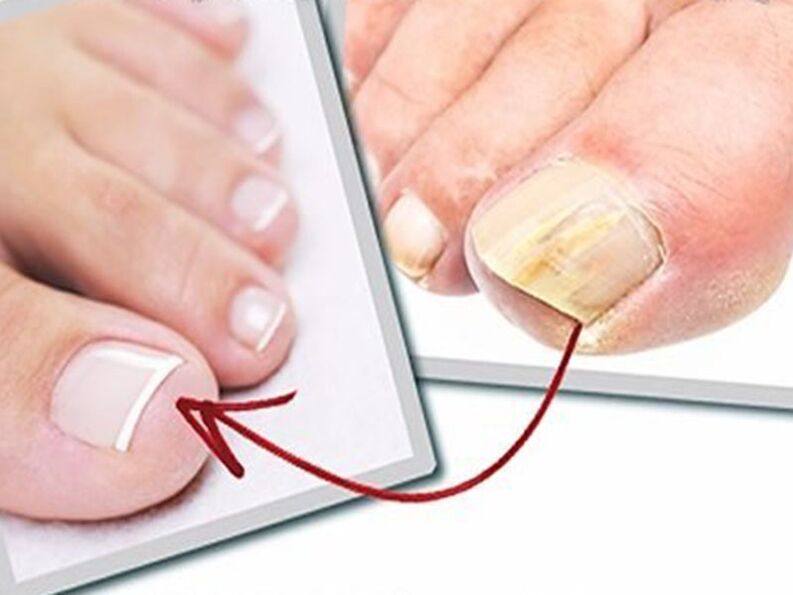
- sprays are more effective as a preventative measure
- solution - penetrates deeply into the disc, contributing to increased drug concentration
- cream - not only treats, but also softens the skin around the plate
- varnish - indicated only in the early stages of the disease
Treating nail fungus requires patience as it takes at least 2 months.
Remember that observing good personal hygiene along with a strong immune system will reduce the risk of fungal infections.
Modern pharmacology offers many drug options for the treatment of fungal infections.Which remedy is most effective?
However, we remind you that only a doctor should prescribe treatment for this disease.And independent choice of medication can be not only ineffective, but also dangerous for health.According to all experts, the best way to treat toenail fungus is prevention:
- comply with hygiene rules
- Don't use other people's things
- Don't wear tight shoes
- For excessive foot sweating, use special sprays
- In the nail salon, make sure the equipment is sterilized
Antifungal drugs during pregnancy and lactation
Medicines often have many side effects.Therefore, pregnant or breastfeeding women should carefully choose medications so as not to harm the baby.
Important: Most doctors are inclined to believe that during this period of pregnancy it is better not to treat fungal infections because the disease is not life-threatening and the risk posed by the drug to the baby is too great.
However, in some cases, doctors recommend topical treatment:
- varnish
- ointment
- cream
You can also use traditional fungal treatments.Lubricate affected areas daily:
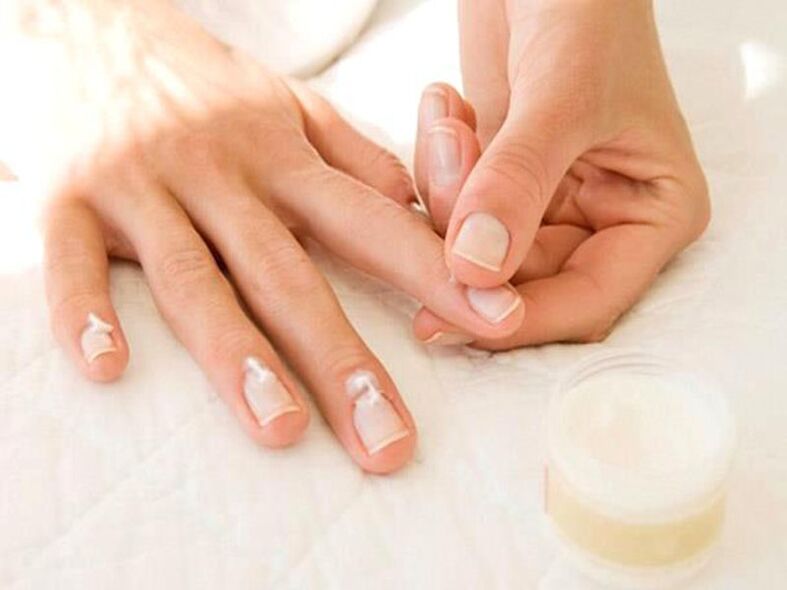
- birch tar
- mixture of honey, eucalyptus oil and vinegar
- tea tree oil
- garlic paste
- iodine
The use of local baths is also effective:
- with the addition of vinegar and potassium permanganate
- soda and laundry soap
- decoction of oak bark, chamomile and horsetail
Before using any product, consult your doctor.You must strictly follow hygiene and do the following:
- Before feeding your baby, wash your hands with soap (laundry or tar)
- Do a pedicure and manicure on time, remove affected areas on the nails
Antifungal nail medication for children
If you notice a change in the color or shape of the nail plate in your child, do not delay in visiting a dermatologist.Prompt treatment is key to preventing the disease from progressing to more severe stages.
As a rule, when treating fungus in children, topical medications are prescribed:
- Antifungal ointment with bifonazole and clotrimazole
- Varnishes and plasters contain cyclopiroxolamine
- loceryl drops
- bath with herbal decoction (calendula flower, oak bark)
- Apply from a piece of Kalanchoe stem to fungus-affected nails
Additionally, during your child's treatment, completely sterilize your child's belongings:
- shoe
- toy
- dish
- linen
- clothes
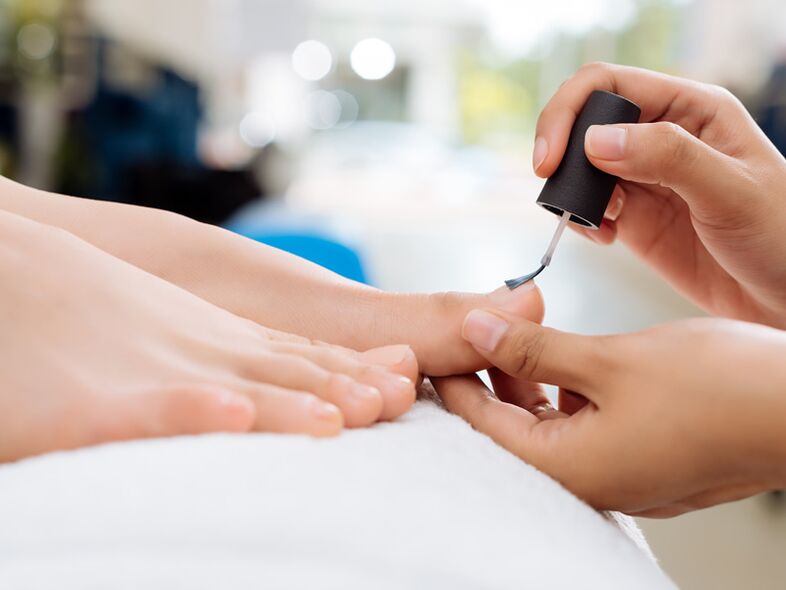
Don't let your baby's illness take its natural course to avoid spreading it further throughout the body.
Antifungal nail polish
Antifungal drugs in the form of varnish are used only in the early stages of the development of the disease or if there are contraindications to the internal use of the drug.These drugs have several advantages:
- Soften the nail plate well, facilitating the absorption of drugs in high concentrations
- penetrates even the smallest cracks of the nail plate
- When dried, they prevent oxygen from reaching the mushrooms.
Varnish must be applied daily or 2-3 times a week, according to instructions.Here are some general recommendations when using this tool:
- Thoroughly steam fungus-infected nails
- dry with a napkin
- Remove affected tissue areas using a nail file
- Wipe the nail surface with a little degreaser
- apply varnish
- Before the next application, remove the dried layer of varnish.
- Treatment must be continued until a new, healthy nail grows
Toenail fungus ointments and creams
To treat nail fungus, people use topical creams and ointments.The advantages of using these drugs are:

- in ensuring high drug concentration on the affected area
- in moisturizing and softening the skin around the nails
Antifungal creams are divided into different groups depending on the active ingredient:
- azole - has a very wide spectrum of action, has a fungicidal effect
- allylamine - is also effective in fighting fungal infections.After the end of treatment, drug levels remain for some time, thereby reducing the risk of relapse.
The choice of medication depends on the type of pathogen and is determined by the doctor.Ointments and creams, as well as other topical preparations, are prescribed for non-advanced stages of fungal infection and for complex treatment.
Principles of drug use:
- Steam your feet with soap and soda water
- Apply a special patch to the affected nail
- Remove as much of the infected nail as possible
- dry your feet
- Apply ointment or cream
Remember that some ointments are not recommended for use during pregnancy and children.Before use, be sure to read the instructions.
Antifungal tablets for nails
An effective therapy against nail fungus is to take antifungal medications, also called antifungal medications.The use of these remedies guarantees relief from the unpleasant disease in almost 100% of cases.But in any case, you should not take them without your doctor's advice;The course of treatment is prescribed by a specialist.

Methods of taking the drug may be different:
- Use daily for several months
- "pulse therapy", in which after a week of taking the drug there is a three-week break
Depending on their chemical composition and spectrum of action, antifungal drugs are divided into different groups:
- polyenes – has the highest level of activity
- azoles - prescribed for the treatment of mucous membranes, scalp, lichen
- allylamines – indicated for dermatological diseases
- Other groups – have a narrow scope of application, are prescribed for severe forms of the disease
When treating with antifungal drugs, it is very important not to violate the medication regimen prescribed by your doctor.Because using medication at the wrong time or skipping it can cause relapse.
Remember that some medications may have contraindications and side effects.So please read the instructions carefully.You may need to be prescribed medication to prevent poisoning.
Cheap nail fungus treatment
Usually, antifungal medications prescribed by doctors are not available to everyone.However, treatment is necessary.We will tell you how to get rid of such an unpleasant disease as nail fungus without spending a lot of money.

Among oral medications that fight infections from the inside, one can mention drugs containing flucanozole, which, although cheap, is a very effective remedy.
In the early stages of the disease, non-specialized means can help, their effectiveness is not inferior to specialized means:
- iodine
- hydrogen peroxide
- potassium permanganate solution
- fukortsin
- Boric acid powder
These medications should be applied to the affected nail every morning and evening.To soften and remove the affected stratum corneum, laminitis can be used instead of expensive drugs.
Steaming your feet in a solution of water and soap also helps a lot in such cases.As you can see, treatment can be affordable.The choice is yours.
Ammonia treats nail fungus
One of the cheap but effective methods to combat such an unpleasant phenomenon as nail fungus is a solution of ammonia or ammonia.Its uses in medicine have been known for a long time, but not everyone knows that it helps get rid of fungus.But this is a powerful disinfectant.
Ammonia can be used in antifungal therapy in a variety of ways:
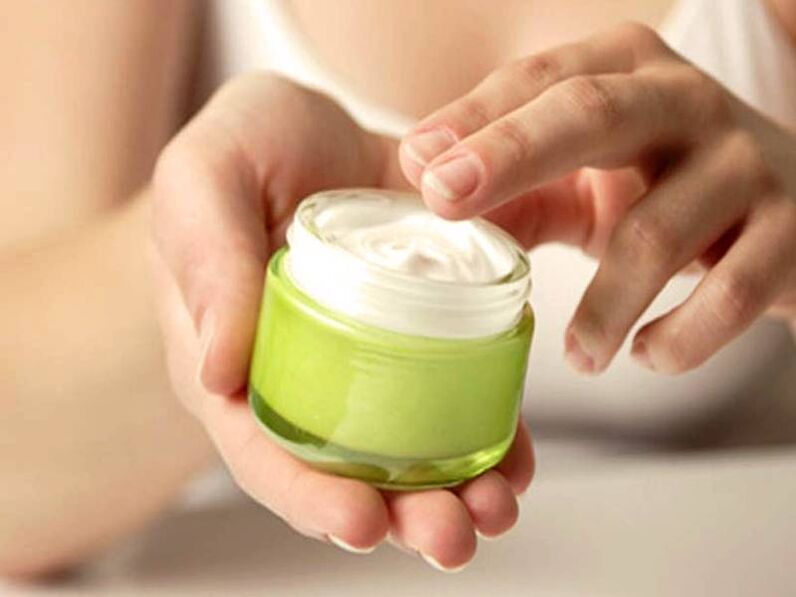
- in compress form (mix a solution of ammonia and water in a ratio of 1:10, moisten a cotton pad or bandage and apply it to the affected nail. Cover with film and leave overnight)
- Foot or hand baths consist of 3 parts water, 1 part ammonia and 1 part hydrogen peroxide
- Treat the nail plate with a solution of ammonia, vodka, glycerin and water
However, we note that ammonia solution for the treatment of nail fungus is only an auxiliary remedy.It does not replace basic therapy.